My blogs have been long overdue and trickle out at inconsistent rates, but better late than never, right? The reason it has taken me so long to write about my three weeks in Costa Rica is because of my mom’s accident. I returned to Atlanta for five weeks to help my mother recover and sort out the deluge of paperwork, appointments, and general chaos that always follows these tragic events. The entire experience, although not entirely over, was incredibly humbling and entirely worth it. My mom recovered quicker than anyone ever expected. Within three weeks of her surgeries, she was walking and—dare I say—cleaning! Credit must be awarded to my dad most of all because his is the arm my mom leaned on when she took her daily walks, the hand that washed her legs when her back could not bend, and the body that held her at night when she could not sleep.
My mom and me prior to my leaving for Europe
I often think of my aging parents like antique glass so brittle that picking them up would shatter their form. But moments like these bring to life the couple who secretly fled a war-torn country, traversed oceans and rivers, and survived refugee camps, so the children on their backs could one day look up and see their futures as an endless cascade of possibilities not shackled down by a country in shambles. Like nothing akin to glass, my parents are made of iron, and their determination can cut through steel.
My brother, mom, dad, and me
This is shorter than my usual blogs, but I think its length is just enough for me to start writing again. I hope you have all been well and that your lives have not been as tragically eventful as mine has been!
When frantic messages of my mother‘s car accident buzzed from my phone, I thought I was dreaming. Confirmed pictures and calls with my dad tore my spirit in two and shredded the remains. How could this happen? I tried to make sense of it all, but that would not change the fact that my mother was in the ICU with a broken collarbone, broken ribs, and internal intestinal bleeding. She would need several immediate surgeries before she could wake.
My mother, a small, sweet woman who prides herself on her perfect attendance at work, felt the metal frame of her familiar car nearly crush her on her way to work on Monday. My mother, who loves Vietnamese soap operas, mangos, singing karaoke, tending to her garden, fretting over her children, and doting on our dog, was now lying motionless on a hospital bed with tubes and machines sticking out from her sides. My mother, who just celebrated her 64th birthday a few days prior, was now at the epicenter of my entire family’s concerns and worries. My sisters, brother, and father rushed to her side, and I remained several thousand miles away. Guilt gnawed at me as I hungrily waited for any crumb of information that trickled into our family group chat.
My mom on her 64th birthday
Feeling helpless, I ran along Playa Cocles in the hopes that each burning step would exorcise the ache in my heart. When I approached the end of the beach and could run no further, I stumbled to a stop with my back to the jungle. I began sobbing. My shoulders heaved with cries as I recalled the last phone call with my mother four days prior when we last said “I love you” to one another. There was no one around me who could witness my anguish. The beach was nearly empty of swimmers and surfers who took the red flags posted along the beachfront as fair warning signs against the swollen strength of the ocean. With no one to watch me, I screamed at the waves. At first my screams were more nonsensical sobs, but soon they became the same words over and over. Will she be okay? Will she be okay? Will she be okay?
I felt how big, how immensely and confoundedly big, the ocean was. Her many faces broke against the shore in foamy, inscrutable expressions, which only frustrated me more. I threw upon her the responsibility of my mother’s accident, of all the indiscriminate pain suffered by everyone on earth ever. It wasn’t fair, but I didn’t care. The potentiality of loss made me unreasonable and savage, and I savored the rage that was preferable to my grief.
The foamy water lapped at my feet, assuaging some of my anger. I found my breath again and slowly opened my eyes, which were blurry and stung with tears. Walls of water formed long tunnels along the coast before curling and crashing back into itself. I watched the ocean for some time and thought about jogging back to my bike again when I heard soft panting behind me. Two dogs emerged from the river coursing from the jungle into the ocean. Their heads peeked happily from the river revealing more of their bodies as they made it on shore. One threw himself on the ground and began wriggling his body on the sand to scratch his back. The other sniffed closer to me and stood by my side. I couldn’t help but laugh and wonder about what this all meant, these dogs appearing from nowhere now asking to be pet. I scratched both of their soft heads and began my walk back towards the other end of the beach where tanned bodies peppered the yellow sand. I was heady with emotion and almost did not notice the dogs walking beside me when their faces occasionally ran into my calf. Halfway down the beach, a third dog pawing at the sand joined our pack. Now with three dogs accompanying my walk, I had my answer. Nature always found a way to respond, even when being unfairly accused by a lone, sobbing figure on the shore. I smiled knowing that whatever came after my mom’s multiple surgeries, she would recover and my family would be alright. Together we would face the complications that followed and would make the best of the situation.
The next day, my brother told me my mom was out of surgery and stable. She would be fitted for a back brace the following morning. Two days after that, I received a video from my dad of my mom being walked around the hospital floor with the aid of two nurses and my sister. When I watched her sway from side-to-side on her walker, then turn around to look at the camera, I cried again, this time with pure elation and joy.
The first week of our journey abroad was spent in Panama City, Panama, a sprawling city much like Miami. Glittering high rises and construction cranes can be seen from every street we passed from our Uber into the heart of the city. We stayed for one week in a trendy neighborhood off Via Argentina with an eclectic couple we found on AirBnB. I will be honest and brief about my stay in Panama City. Our time passed without much fanfare and was a tad unmemorable. Aside from our visit to the Panama Canal and going out to Casco Viejo (the historic and former capital of Panama), the city itself felt too similar to a city in the United States.
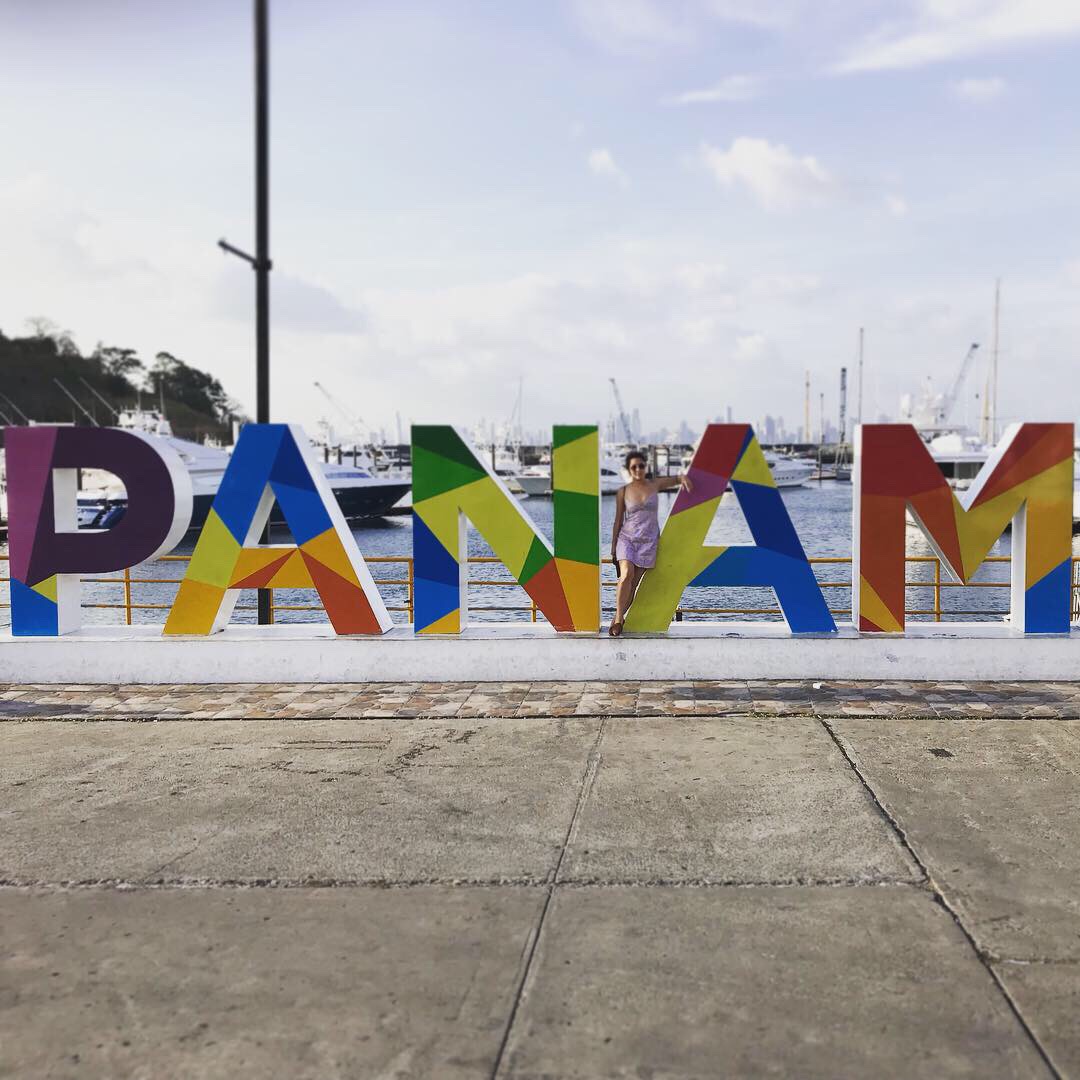
Panama City
A timelapse of a carrier ship pulling into the Panama Canal.
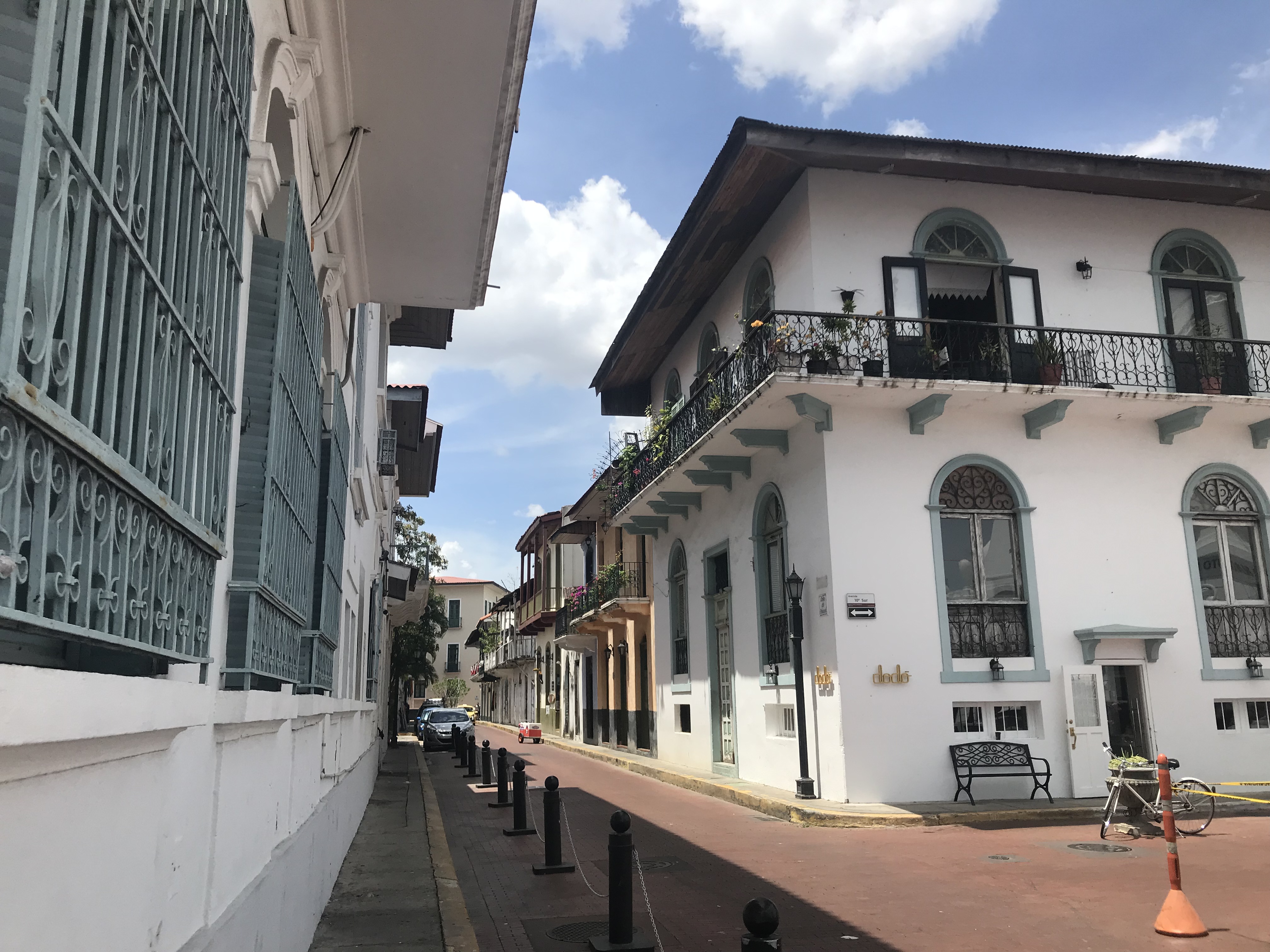
A street in Casco Viejo with its familiar Spanish architecture. Many buildings are protected historic sites, as the city was the former capital of Panama.
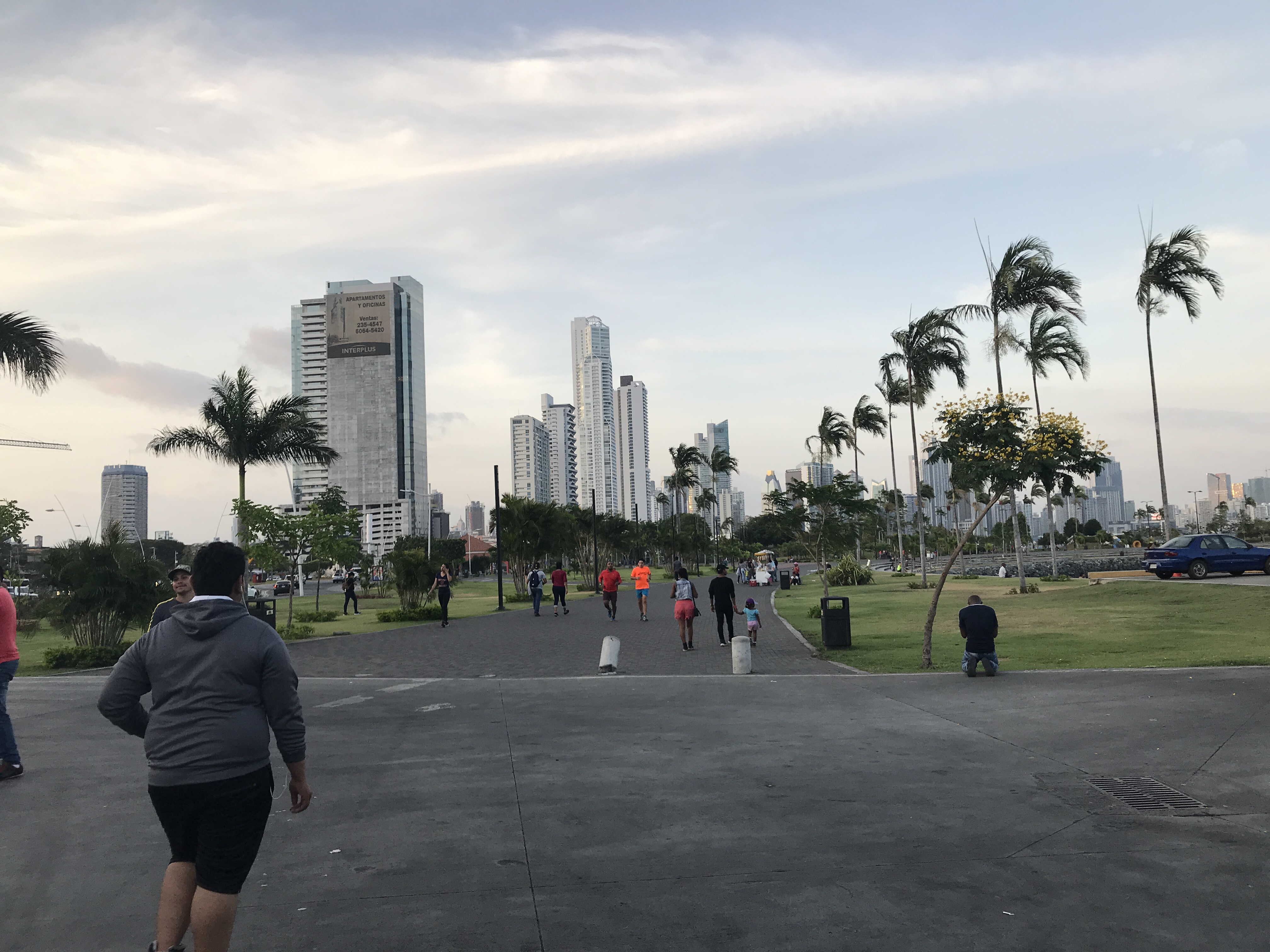
A boardwalk encircling Panama City.
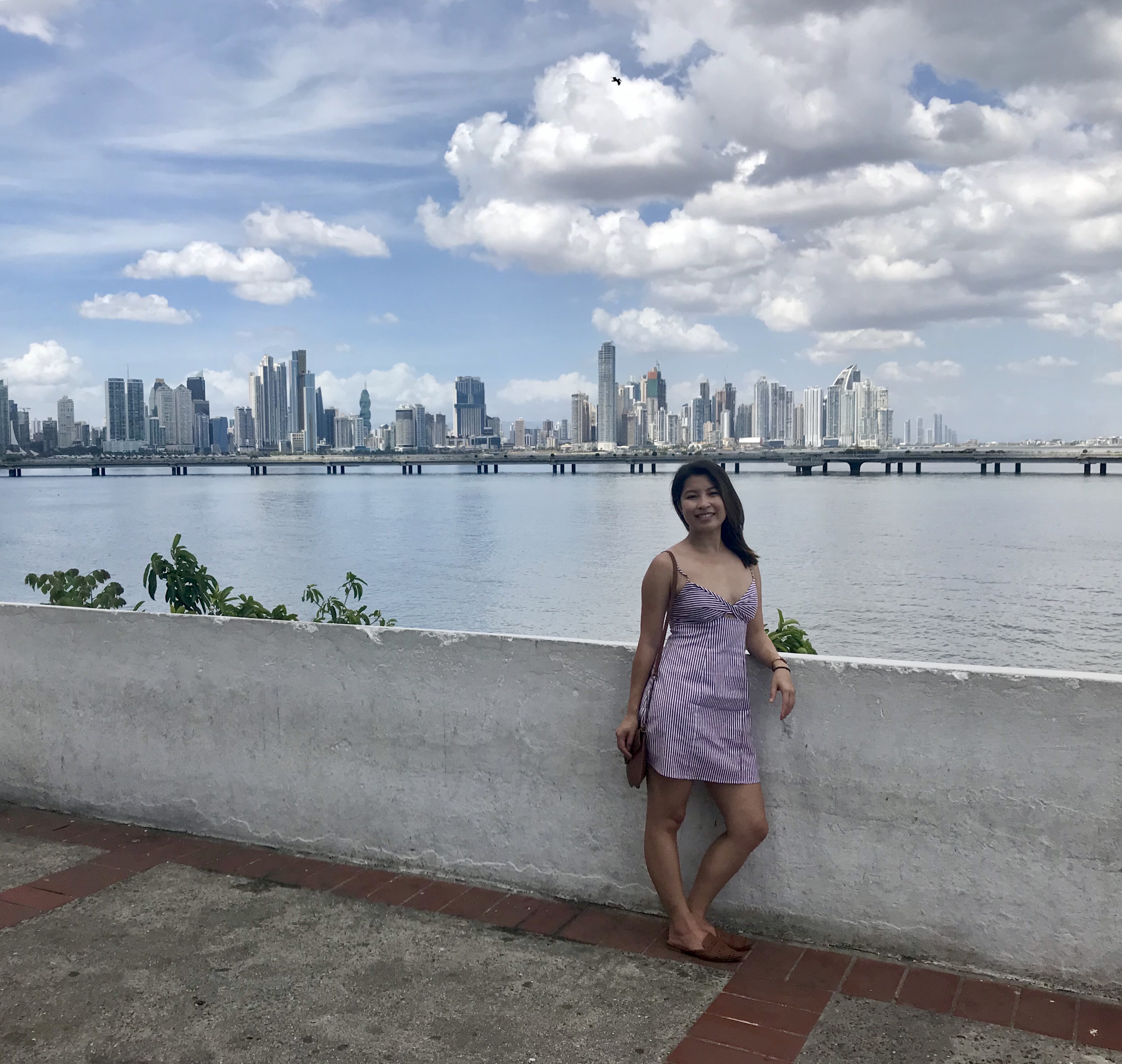
Panama City’s skyline can be seen from Casco Viejo.
Interestingly enough, Pat and I arrived in the country while it was in full swing of its presidential elections. Election buzz followed us everywhere in Panama. Signs, billboards, and smear campaigns were ubiquitous on every street corner or plastered on balconies alongside air-dried clothes. Even when we left Panama City and entered Bocas del Toro (Bocas), a cluster of islands off the Caribbean side of Panama, the election was present, if only scaled back to a local level. Left behind were the giant billboards and politician-led parties in parks. On Colón Island, political campaigns consisted of handing out t-shirts with political leaders’ name emblazoned on the front with a reminder of voting dates on the back, megaphones announcing support for a candidate blaring from trucks, and the occasional parade down the main street for an opposing candidate.
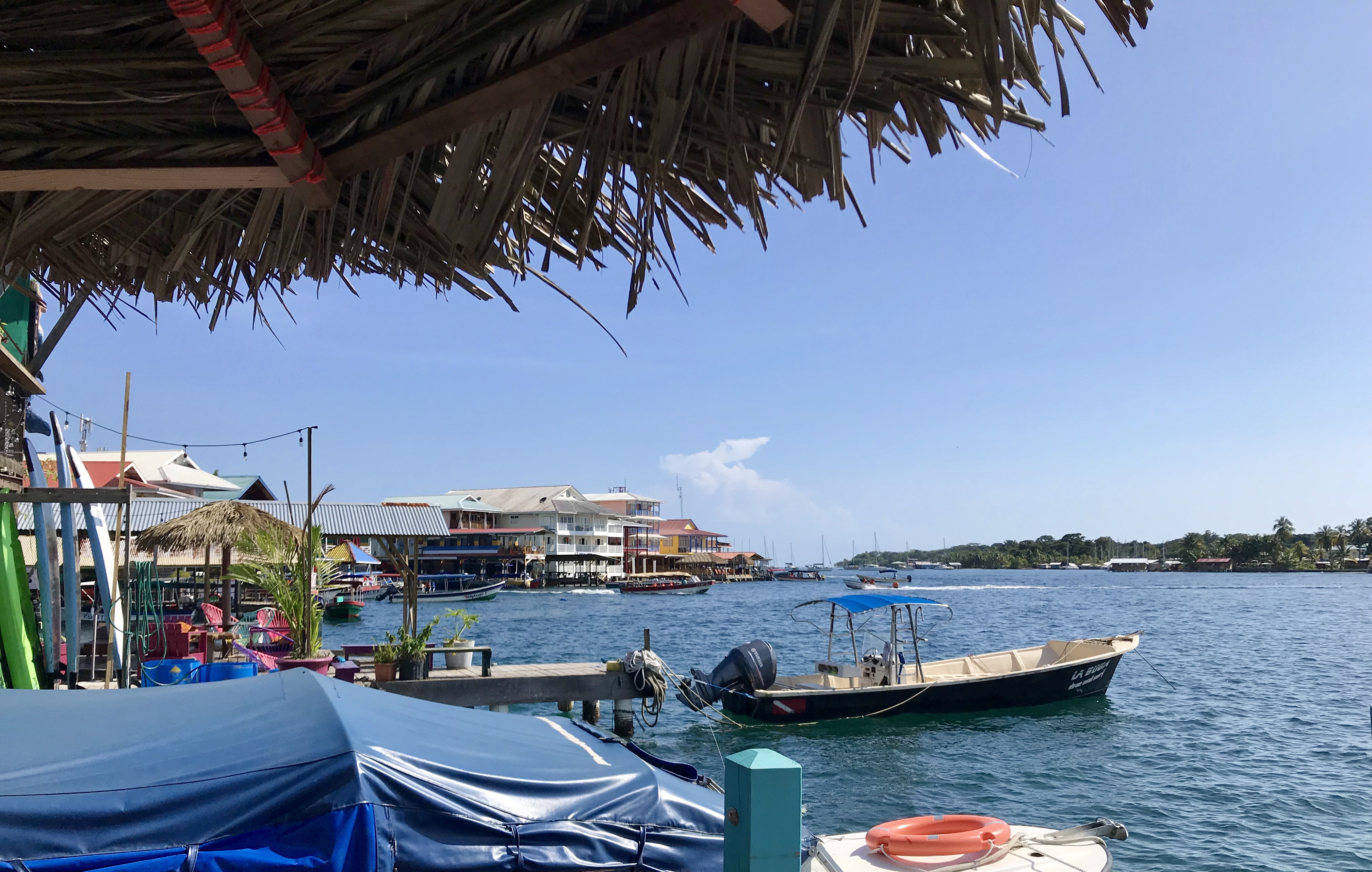
View from the many docks in Bocas.
Typical afternoon dish for $2!
We arrived to Bocas via a ten-hour bus ride from Panama City followed by another 30-minute boat ride until we reached the shores of Isla Colón. We passed two pleasant weeks with slow jogs on the golden sands of Playa Bluff, giddy swims in the warm waters of the Gulf, and lazy strolls through streets of Colón Island. We soon realized restaurants were more expensive than advertised on this beautiful island, but the ingredients at supermarkets were fairly cheap. Keeping to our budget of $40 a day for housing, bike rentals, food, we started cooking more meals in our small outdoor kitchen, which we shared with other guests passing through the hostel. Water was not safe to drink on the island, so our budget now included buying large jugs of water too. Gone were the days when I could simply fill a glass of water from the faucet or be instantly cooled by the air conditioning of a chilly room.
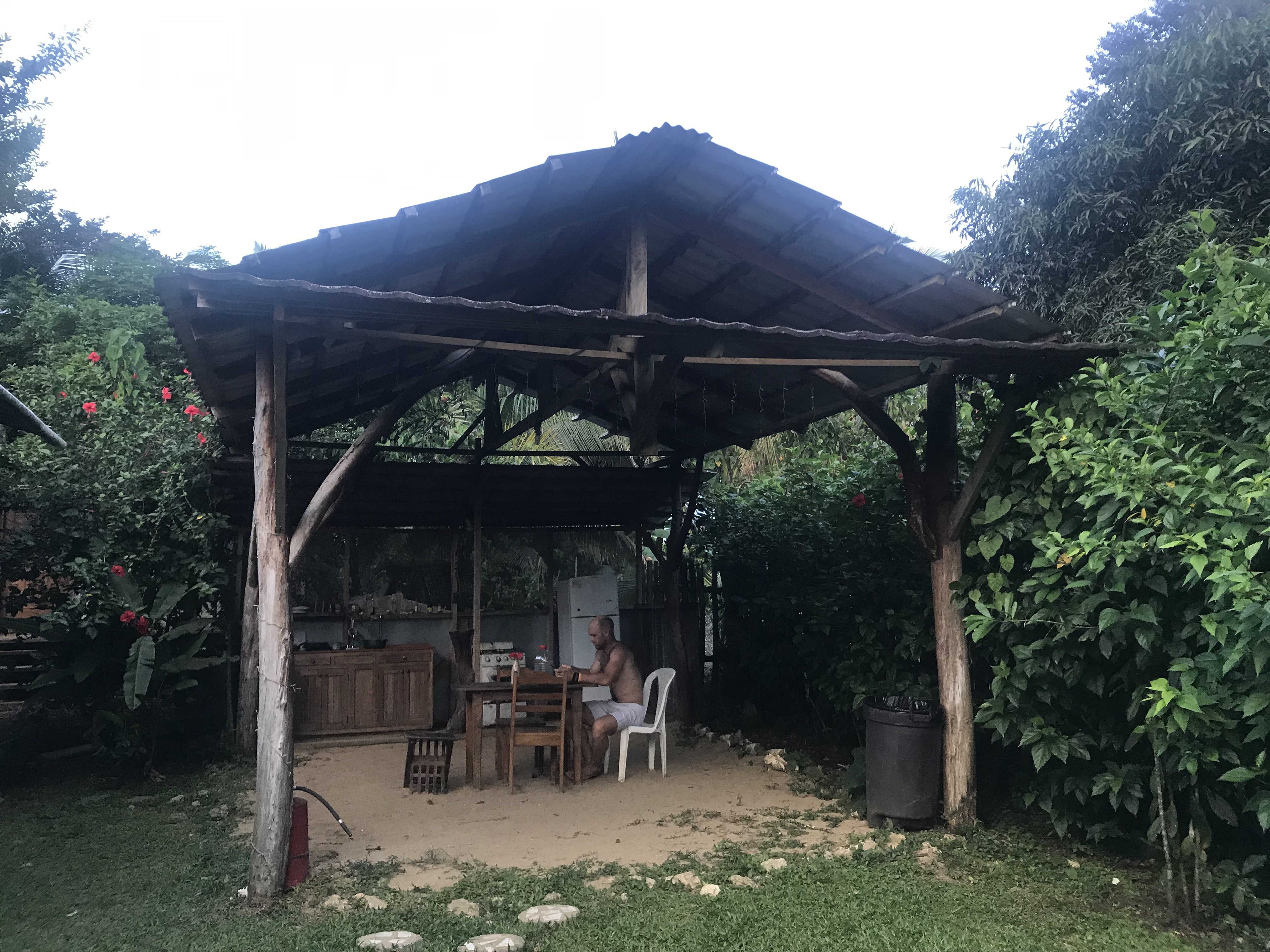
The outdoor kitchen at Kalú hostel.
A couple checking into the room beside ours.
Perhaps one of the greatest joys of traveling is to gain a deeper appreciation for one’s home country. By no means is the U.S. perfect, but each discomfort is a reminder of how nice life is back home. However, I still do relish the challenges for they not only are lessons in adaptability, they can also strengthen one’s self-efficacy and can also bring people together.
One night during our second week in Bocas (third week in Panama), Pat and I noticed some odd electrical buzzing while we walked around the town center. Thinking little of it, we enjoyed our Nutella crepe freshly made at a street stand and returned to our hostel. As we sat chatting with a few guests from the hostel, we heard a loud bang and then pop; the power went out. The streetlight right outside our hostel had burned with a great flash and then snuffed out leaving us in total darkness. The hostel owner rushed down with candles and lit them at our tables. Before we could thank him, he had already rushed past us to inspect the street and talk with neighbors. He returned with news that the entire island lost power, not just our neighborhood. I was grateful Pat and I did not linger in the city. We would have had to bike home in complete darkness.
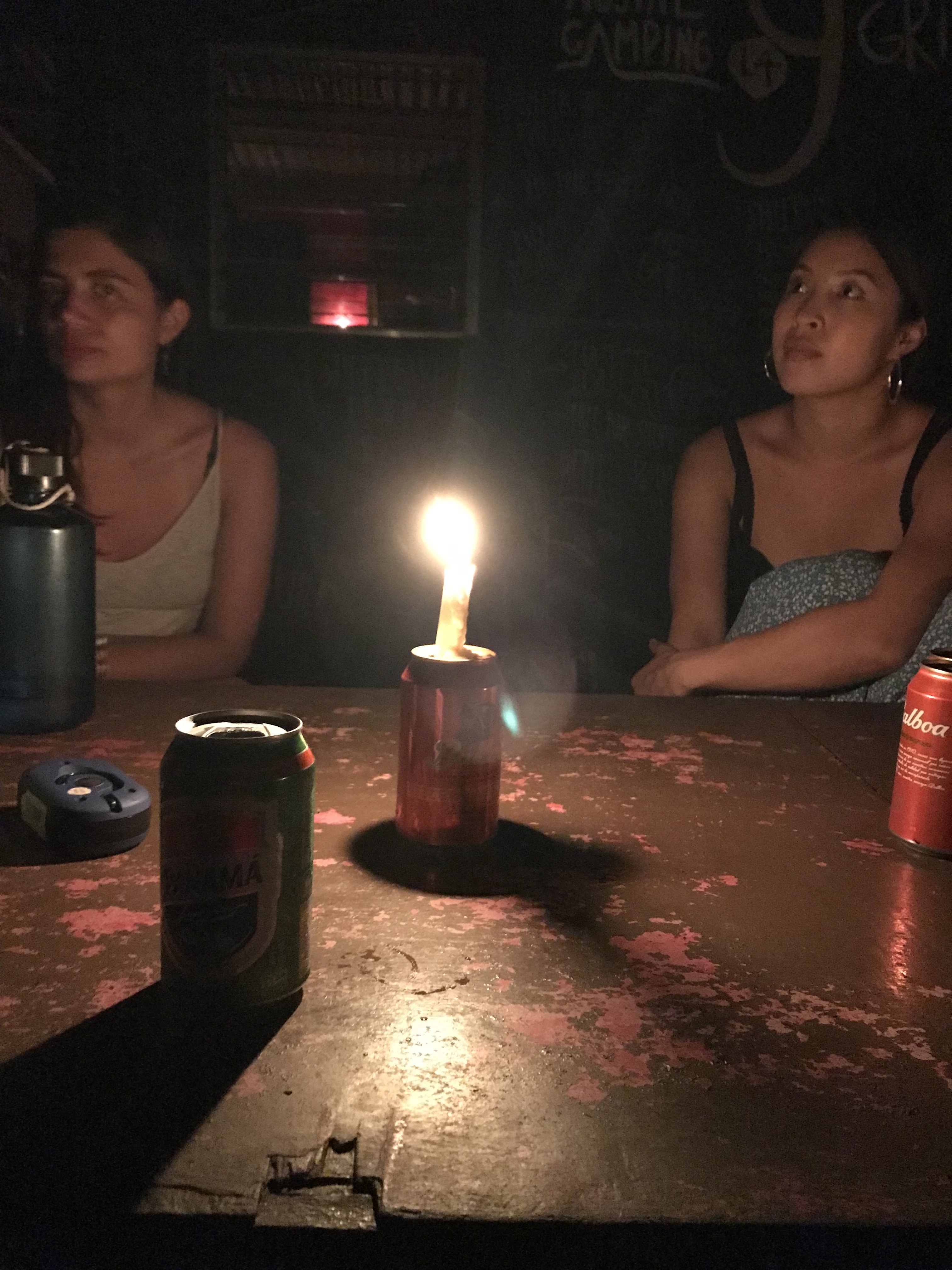
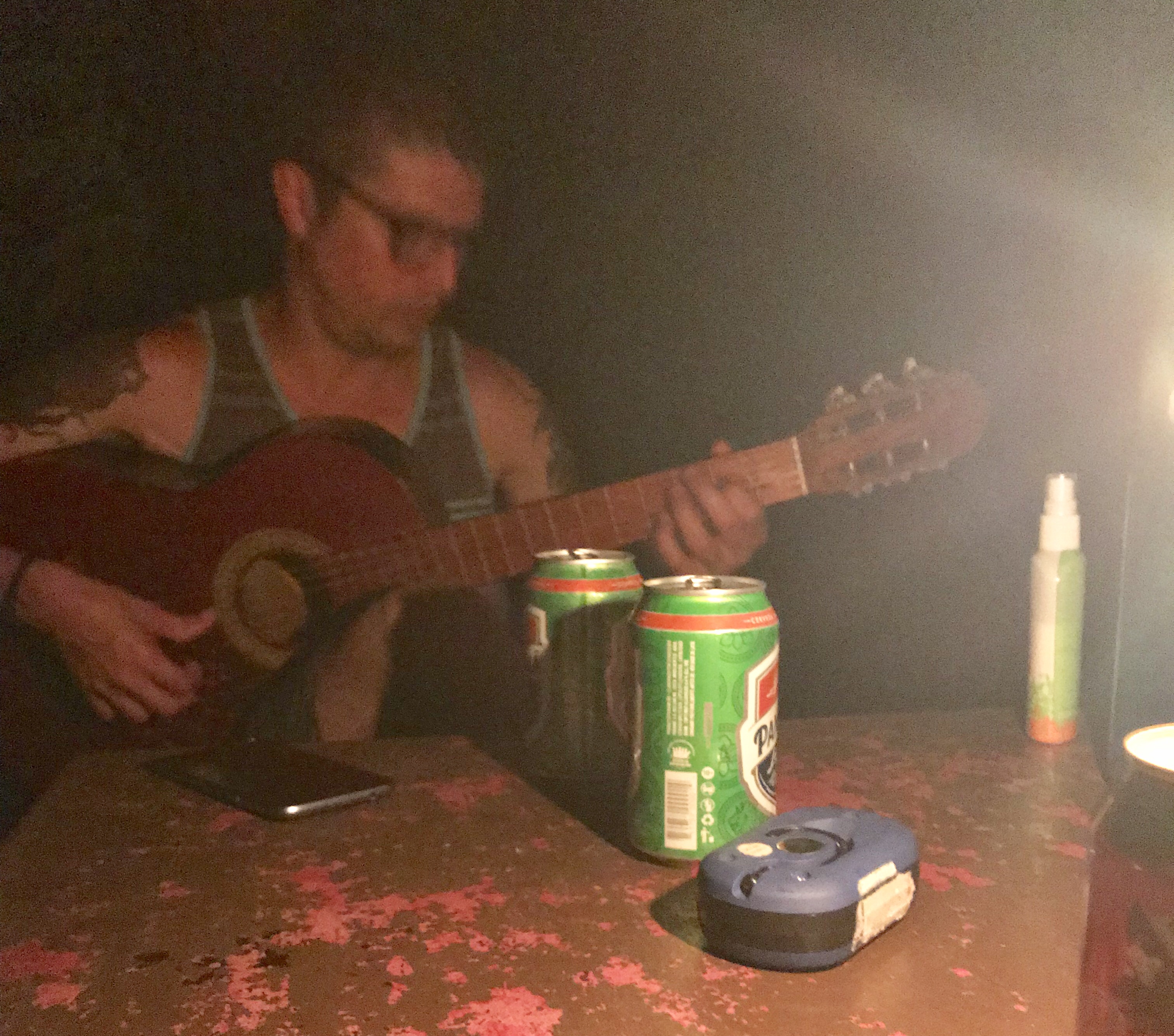
Erika (@erikabacuna) and I listening to her boyfriend strum his guitar during the blackout.
Other guests from the hostel started to stream out of their rooms and join us in the main dining area. Although tired, a musician couple from Costa Rica began performing classic Spanish songs in the dark silence. We all settled into a cozy evening surrounded by strangers joined in unlikely circumstances, city workers arrived in white utility trucks to fix the power outage. We talked about our travels and where everyone was headed to after Bocas; we giggled at nursery rhymes from our home countries; and sometimes we sat in comfortable silence save for the strings of the guitar. Three hours and several cans of Balboas later, the power returned snapping us out of the balmy magic of the night. It is a memory like this that I will return to in old age, chewing on the hazy details as they grow sweeter with time.
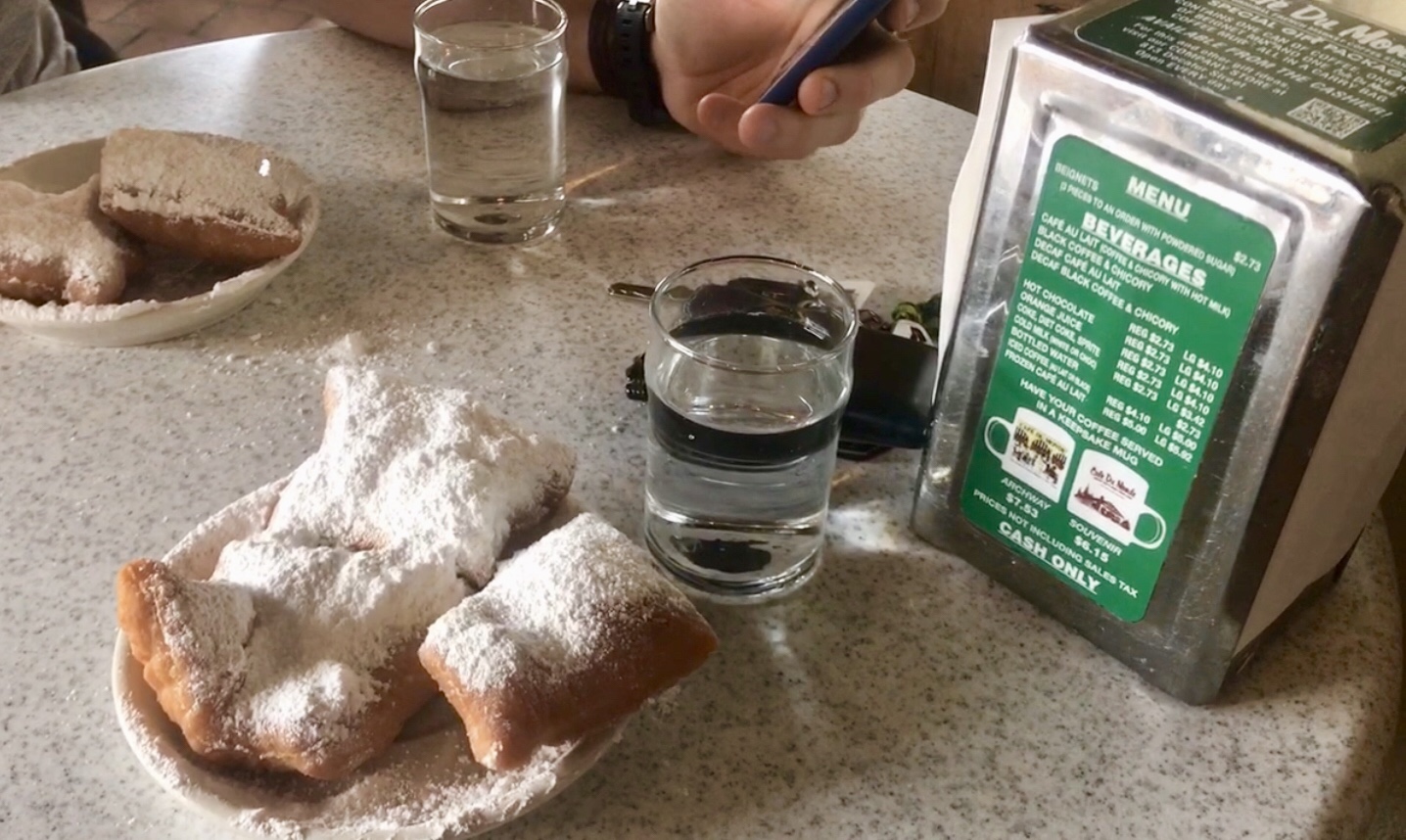
Patrick and I set off to eat our way through the cities and countries we planned to visit, so naturally, New Orleans was high on our list. Not only did we stay with friends who lived off Magazine Street, we were also treated to incredible local food. Don’t get me wrong, I enjoyed the boisterous energy and romantic architecture of the French Quarter, but the best Vietnamese food, crawfish, and Cajun dishes could only be found in spots far away from the famous Bourbon Street area. Obvious pro tip: don’t spend your money on overpriced meals in the French Quarter. With the exception of beignets and coffee at Café du Monde, eating in that area is mostly for convenience.
Beignets at Café du Monde (cash only) are less than $3!
The best local eateries in the city excelled at keeping a short, tight menu with dishes overflowing with flavor. From Jamaican oxtails to duck noodle soup, I was never disappointed by a single meal. However, the highlight foodie moment of my trip was, without a doubt, the crawfish boil we held in the backyard of our friend’s house. Two sacks (about 70 lbs) of fresh crawfish mingled happily with corn, mushrooms, and potatoes in a boiling pot of seasoned, salty goodness. Once finished, the crawfish and its accompaniments were dumped onto a long newspaper-covered table with hungry hands hastily picking through the red “mud bugs”. We drank crisp and cold beer from NOLA Brewing, while dancing and laughing our way to sundown.
An already boiling crawfish batch we stumbled on when going to buy fresh crawfish for our boil
Fresh oysters from Casamento’s don’t come with tartar sauce—you have to make your own at the table!
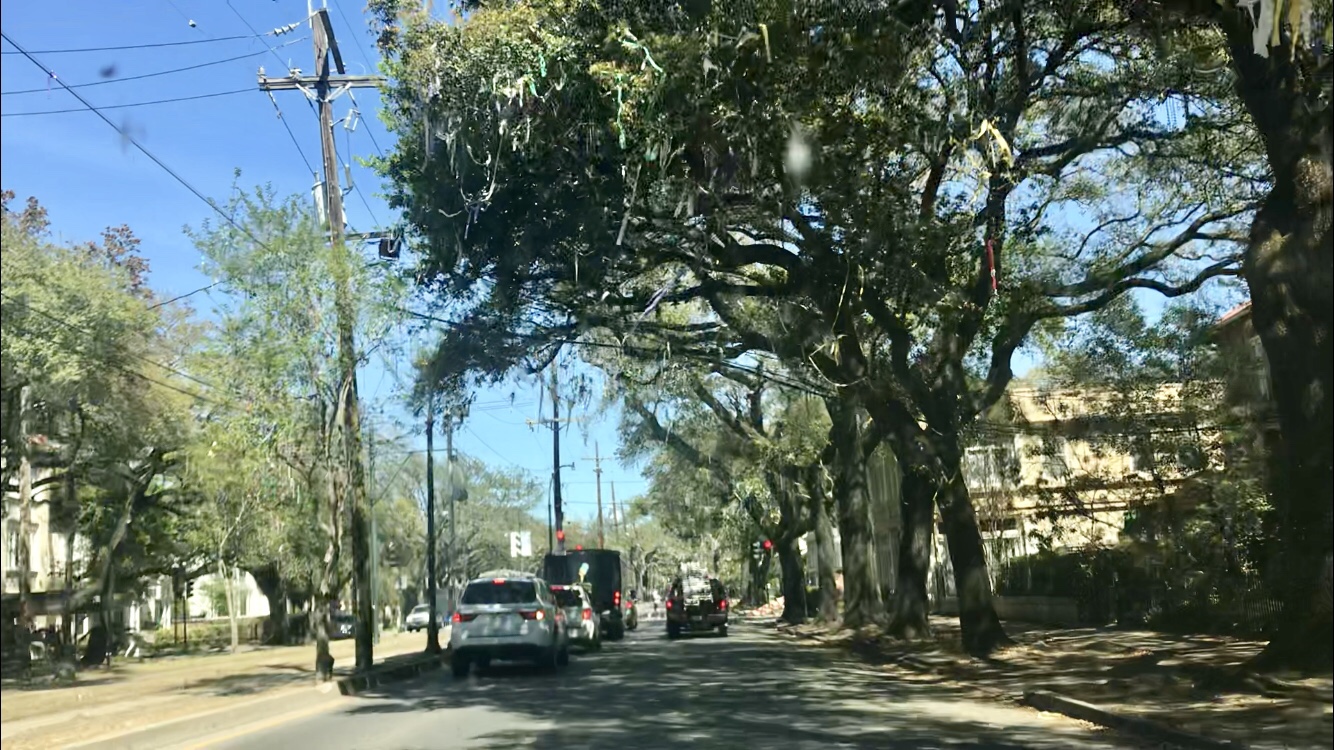
New Orleans was equal parts phenomenal food and equal parts bad roads. There was a pothole outside of our friend’s home large enough to fit a healthy 12-year-old child. One lazy Wednesday morning, while I read on the front porch, I witnessed the pothole claim two vehicles and almost devour two more before noon. Bicyclists whizzing by always exclaimed aloud to no one, “This shitty-ass road,” as if this street was any different than any other street in New Orleans. In fact, it seemed the nicest neighborhoods had the worst roads, like an odd tax on the wealthy. The people of New Orleans have taken the pothole problem in stride, sometimes creating art out of the potholes or filling them with beads.
I soon learned that this sprawling, lively city with its charming street cars and rows of southern live oak trees was built on a swamp. A mere 10-12 inches beneath the asphalt and concrete is water. Yes, you read that correctly. Nearly 50 percent of New Orleans is below sea level, and the city has made several attempts to successfully pump water out since the early 1800s. At some point, 100 percent of the city was above sea level, but under-engineering and lack of funding has led to the current road conditions. While some methods have proven more effective than others, the soil subsidence problem is highlighted with every passing hurricane. However, crumbling roads did not diminish my love for this city. In fact, I believe it adds to the charm and laid-back attitude prevalent in almost every Orleanian I met.
These rows of southern live oaks provide much needed shade from the heat. They are ubiquitous in New Orleans and grow out rather than up.
Needless to say, I will definitely be returning to NOLA. The beautiful Louisiana city was a great way to wet my traveling toes as the first stop on a seven-month sabbatical. Next stop: Houston!
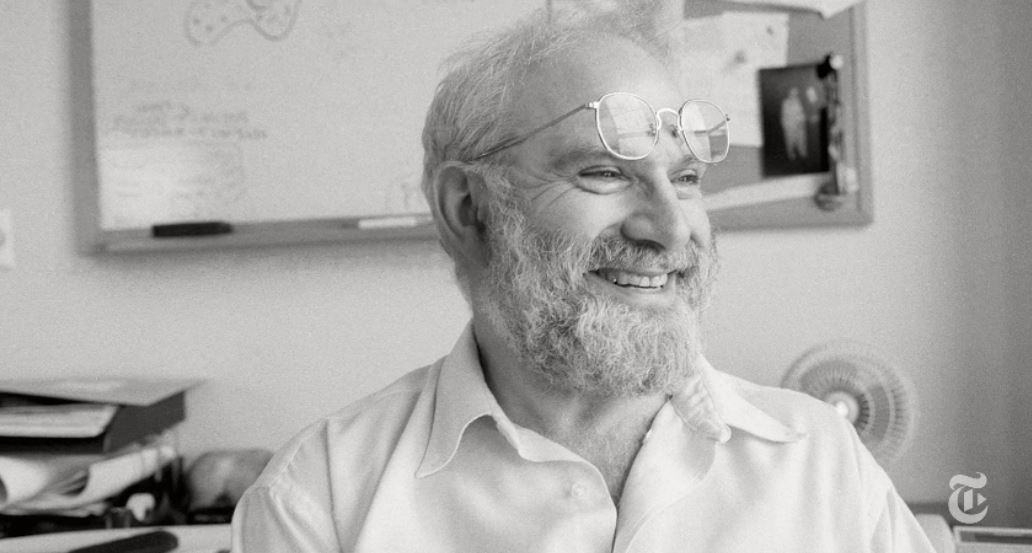
When I am stuck in the living nightmare that is Atlanta traffic, I usually listen to podcasts to assuage my road rage. Last month, while listening to one of my favorite podcasts, Radiolab, I found myself increasingly absorbed by an interview with a charming and spritely English doctor for his 80th birthday. This was unusual for a podcast that focused singularly on science and philosophy. The doctor’s name was Oliver Sacks. In fact, a simple search for his name on Radiolab resulted in nearly ten pages of references, features, and interviews.
By the end of that month, Dr. Sacks and I had several, similar serendipitous encounters. In addition to the podcast, I stumbled upon a number of articles he authored for The New Yorker and found out my roommate had his autobiography on his bookshelf.
Dr. Sacks was a neurologist, researcher, best-selling author, subject of a film starring Robin Williams and Robert De Niro, weightlifting record holder, and someone who has since grown to become a beloved figure in my life. I hope to share some lessons I learned from him here.
Lesson One: Keep a journal and pen on hand.
I don’t mean just lugging a notebook around from meeting to meeting. Instead, carry a personal journal with you in a backpack, laptop bag, or seat of your car. Dr. Sacks always kept a journal to document notes and observations throughout his day – from neurological breakthroughs to notable encounters with strangers to self-experimentation with hallucinogens. We don’t all live expansive lives like the Doctor, but making a habit of keeping notes can help us reference ideas or make connections we might not have noticed otherwise. You can even number your pages and create a table of contents in the back for quick reference!
“My journals are not written for others, nor do I usually look at them myself, but they are a special, indispensable form of talking to myself.”
Lesson Two: An honest life is a healthy one.
Dr. Sacks lived in England during a time when being homosexual was against the law. Regardless, Dr. Sacks never renounced his sexuality even though it distanced him from his mother and a few of his friends. Dr. Sacks applied this philosophy to other areas of his life – his research, his shyness, his face blindness, and his faith.
“I cannot pretend I am without fear. But my predominant feeling is one of gratitude. I have loved and been loved; I have been given much and I have given something in return; I have read and traveled and thought and written. I have had an intercourse with the world, the special intercourse of writers and readers.”
Lesson Three: Live an unexpected life led by curiosity and wonder.
In August 2015, Dr. Sacks passed away after cancer in his eye mestasized throughout his body. Ironically, news of his death prompted me to read an autobiography of his life titled On the Move, which illuminated his illustrious life. Dr. Sacks did not live his life based on the expectations of others. He moved across the world, he studied and consumed all things that piqued his curiosity (even those outside his field), and he acquainted himself with people from every walk of life. Although Dr. Sacks did not beat death, he lived a full, vibrant existence. I cannot even begin to encompass everything this wonderful human being has accomplished, so I can only urge you to read his books.
Now that I near the end of this blog, I hope we all share the same conclusion: Dr. Sacks was not merely a man of science, he was also a man of the world. He was not bound to country lines and tough terrain, by lineage and religion, or social rules and expectations. He has taught me to live a life of honesty, healthy obsession, and gratitude.
Dr. Sacks ended his essay, where he revealed he was dying, with the following quote:
“Above all, I have been a sentient being, a thinking animal, on this beautiful planet, and that in itself has been an enormous privilege and adventure.”
Ever since I could hold a pencil, not a single sheet of paper in the house was spared from my signature scribbles. Although I am pretty aware of my progression as an artist, I somehow missed one obvious and key motivator: my father. A recent interview with my dad, coupled with intrapersonal excavation and research revealed how pivotal his encouragement of illustration influenced my affinity for art.
I remember late night art projects in high school often left my hand cramped and back sore, my eyes dry and head throbbing. Just as I felt like giving up and piercing my canvas with a palette knife, my dad would wander over and offer suggestions or ask how my project was coming along. His curiosity and calm presence, intentional or not, helped me through grueling art courses. Growing up, he never emphasized his history as an artist. I am now old enough to label myself an adult, and in turn, my dad divulges more details about his past, especially his time as a prisoner-of-war.
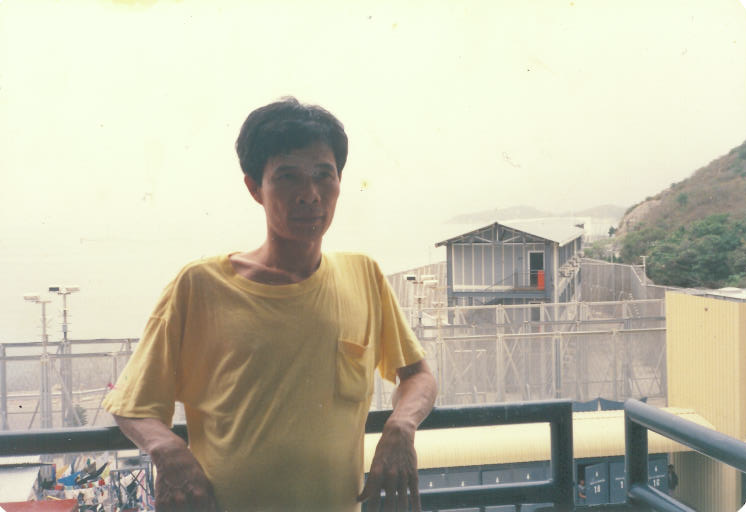
Dad at Hong Kong Refugee Camp
He was imprisoned in 1977 for serving as a South Vietnamese Army Ranger during the Vietnam War. He described the hierarchy of the POW camp as loosely structured. Ranks and titles were unchallenged, but rules seemed flexible and arbitrary. On the first day of camp, prisoners were singled out for specific skill sets, such as mechanics, artists, doctors, etc. I know what you’re thinking: One of these is not like the other. Well, photos were a rarity after the war. Pocket-sized, black and white, and tattered photos usually needed restoration, so my dad was tasked with recreating large portraits of communist members, as he was the better of two artists in the camp.
The head of several POW camps in the area was a Viet Cong by the name of Mr. Coi, who procured favors in exchange for portraits from my dad. In his weekly or monthly visits, Mr. Coi would often make a point to check on my dad. If my dad was discovered to be sick or ailing, Mr. Coi would find a prisoner with Western connections to retrieve medicine. Once, my dad witnessed Mr. Coi beat a guard unconscious for no particular reason. They formed an unlikely and tense bond through long bouts of portrait sessions.
My dad described a time when he was harassed by a particularly malicious guard. The guard dangled a club from his hand, toying with it as his gaze dared my dad to challenge him. “If you hit me, I warn you, I will fight back,” my dad declared. The man smirked and ordered another guard to beat my dad behind the building. My dad said sternly, “If I have done something wrong, you can confine me or lengthen my sentence, but you have no right to beat me.” Ignoring all protest, the guard motioned for him to be taken away. Once out back, my dad pleaded with the other guard to be reasonable, there was no sense in doing this, and Mr. Coi would be upset. The guard told my dad to sit down and be quiet. The two sat together for nearly half an hour before my dad was allowed to return to his cell. He believes the weight of Mr. Coi’s name was enough to dissuade the guard from harming him.
Ten years passed. Towards the end of 1987, one week prior to his release, my dad was called to the filing office. The prison guards were, not surprisingly, corrupt. A popular scheme to increase profits involved altering the dates of when prisoners began serving time. When my dad reviewed his prison terms, he noticed they changed his date of entry from 1977 to 1979. The guards informed him he still needed to complete two more years in prison. Both my father and the guards knew the exchange that was to take place. The guards would give my dad one week to go home, “gather his things,” and return with a bribe for the guards to correct the date. Determined, my dad marched to Mr. Coi’s office and explained the situation.
With a cigarette poised between two fingers, Mr. Coi said, “And?”
“What do you mean ‘and’? This is terrible! I have served my time!”
“Fine, fine,” said Mr. Coi as he fished a pen from my dad’s shirt pocket. He corrected the date with a swish of his pen and motioned for the guard at the door to accompany my dad back to the filing office. “You tell them this date is final.”
My dad fondly recalled Mr. Coi as, “…a fierce man who would often beat his prisoners and guards, but he took a liking to me. If not for him, I would not have lasted very long in there. For that, I am grateful.”
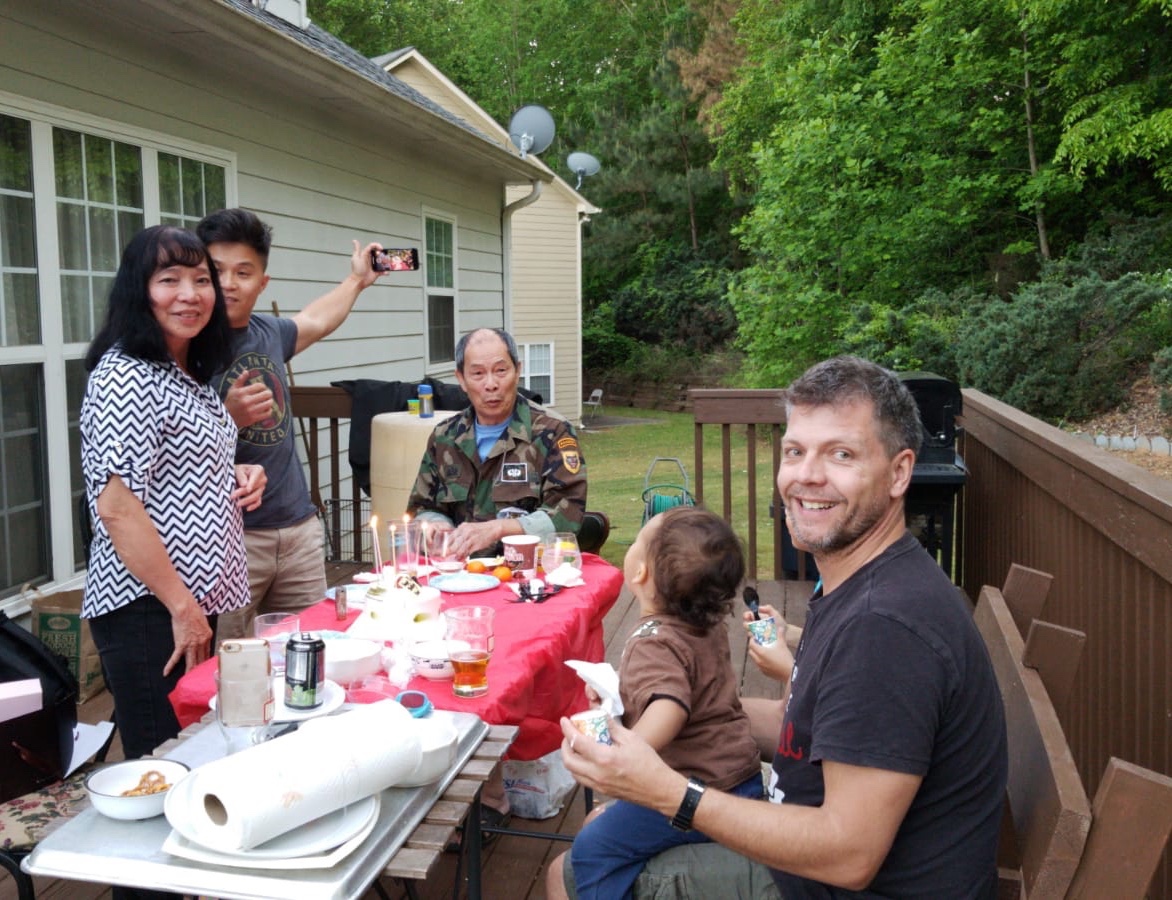
Papa Siu with his youngest granddaughter.
Nowadays, his reluctance to draw again is understandable, but sometimes I see a twinkle in his eyes when he watches me paint. I notice his fingers twitch and his hands curl reflexively. I watch as the hard lines in his cheeks melt into a prideful smile.
Art is not simply an outlet for creativity and expression, sometimes it is a flotation device that connects us to humanity. I know my love of art and illustration stems from my father’s encouragement as certain as I know his life was saved through his drawing sessions with Mr. Coi. For that, I am grateful.
A few weeks ago, I had the opportunity to attend a Digital Marketing workshop in Austin, Texas, a city I had never visited before. My colleague and I trekked four miles to the popular Off the Wall Graffiti Park on our first day of landing. The Park, which resembled an urban jungle of cement panels stacked and covered from top to bottom in murals, colors, obscenities, landscapes, faces, eyes, symbols, and words.
Off The Wall Graffiti | Austin, TX
Off The Wall Graffiti | Austin, TX
Off The Wall Graffiti | Austin, TX
Off The Wall Graffiti | Austin, TX
Off The Wall Graffiti | Austin, TX
Off The Wall Graffiti | Austin, TX
It was beautiful. Beauty sprung not only from the paintings themselves but also from the idea of an open canvas space free to the public and artists alike. While inspecting each painting, I began questioning the lack of such spaces in Atlanta—mainly OTP.
Throughout history, governments and local authorities vilified graffiti as vandalism and a nuisance to cities and neighborhoods. Penalties for vandalism range anywhere from a few hundred dollars to $25,000, or a few days in jail to several years in prison depending on which state the “crime” occurred. Of course, the definition of vandalism is as broad as its penalties.
Today, I ask you to consider whether graffiti is an art or a nuisance.
I don’t believe graffiti to be a problem, but rather, can help us personalize our public spaces and make art accessible again.
My first example may not be considered art, but shows creativity in using public space. Earlier this year, a man tired of his city’s neglected roads, spray-painted penises around potholes throughout the city. However, problematic potholes, once ignored for years, were patched within 48-hours. The anonymous citizen goes by the name Wanksy, a play on the name of the street artist Banksy.
Wanksy tags neglected potholes around his hometown.
Problematic potholes, once ignored for years, were patched within 48-hours after Wanksy circles the hole with a penis.
We cannot discuss the impact of graffiti without mentioning Banksy, the world-famous graffiti artist, activist, and director. Banksy began tagging public spaces over 20 years ago in his hometown of Bristol, UK. Since then, Banksy has traveled the world and gained renown and respect through his political and social commentary pieces and distinctive stencil style. The identity of Banksy remains relatively unknown. Actually, anonymity heightens his work, allowing him to create large-scale pieces and still evade authorities.
This is the first time the essentially bourgeois world of art has belonged to the people. We need to make it count.
Ironically, opportunists have carved out Banksy’s work and auctioned them for hundreds of thousands of dollars without his consent. In fact, anywhere Banksy pieces are found, the property value of the area soars. Just watch what happens when Banksy visits New York.
Banksy maintains that his work should remain free to the public and even provides high-quality images on his site, but that hasn’t staved off the greed.
Therein lies the beauty and tragedy of it all. Graffiti is an outpour of low-level dissent, screaming against the commodification of art and urging us to put down our phones and look up once in a while. To have public art plucked and sold to the highest bidder contradicts what the street art movement stands for: art accessible and appreciated by everyone.
To accept a baroque framed painting hung high in a museum yet reject a laborious and masterful piece behind an alley would mean denying ourselves the fundamental experience of art. A brick wall does not have to be relegated to one of many sides of a building just as a bridge can provide more than passage over a road.
Cabbagetown | Atlanta, GA
Austin, TX
Austin, TX
Austin, TX
Cabbagetown | Atlanta, GA
Cabbagetown | Atlanta, GA
Art is supposed to make us feel deeply. Do any of these pieces do that for you? If so, is it still a nuisance, or is it finally art?
Literacy has an irrefutably profound effect on our success and well-being. Ever since the existence of the written word, literacy has always meant the ability to read and write. However, being literate has acquired more modern connotations in the 21st century. Nowadays, most of our information comes in various forms of media, which include the internet, television, magazines, radio, video games, books, newspapers, billboards, etc. Being media literate is more vital to communication than ever, and its importance will only continue to grow as technology and new forms of media enter our lives.
A competent communicator possesses the ability to access, analyze, evaluate, and communicate information in a variety of forms, as defined by the National Association for Media Literacy Education.
Why is any of this relevant? With a decline in viewership and funding to news outlets and a surge in the content-hungry 24-hour news cycle, advertisements and self-serving agendas have crept into the fading, impartial craft of journalism.
Imagine yourself reading an article about defunct car parts, listening to a broadcast announcing new health findings, or watching your favorite anchor debrief current events. Now imagine that car article being sponsored by an automaker, that health broadcast paid for by juice companies, and your favorite anchor only highlighting news that aligns with the broadcast company’s views.
Would that change the way you consumed the news?
We should strive to be more media literate, especially with the news. Understanding how media messages shape our culture and society not only lifts the veil from our eyes but also teaches us to be critical thinkers and producers of media. You may think I am exaggerating the effects of news media, but continued exposure to the same message will start to have an impact on us over time. Compound that effect with our friends and families being shaped by the same message, and the result is a clear molding of our public opinion.
Mass communication majors are all too familiar with agenda-setting theory. It is the theory that the news media creates public awareness and concern for salient issues. The Theory relies on two assumptions: The media does not reflect reality, and concentration on a few issues by the media causes the public to perceive those issues as more important than others. Over 400 studies have been published on the function of agenda-setting and it remains relevant both inside and outside the classroom.
In light of recent events surrounding Brian Williams, I chose to focus on the news media and how we can consume the news with critical eyes and ears. For those unaware, Brian Williams is an NBC news anchor who lied to his nearly 9 million viewers about terrorists firing at his helicopter in Iraq. When investigations revealed Williams embellished the story with glittering heroism and ornate tales of friendship with SEAL Team 6, skepticism grew as his tall tale began to look more like a tacky scrapbook project. NBC suspended Williams for six months without pay. However, Williams suffered more than a dent in his salary—his credibility as a journalist may never recover.
Williams is the face of that scandal, but large-scale, refined campaigns that shape the topics we think about go widely unnoticed and with no single face to blame. “Native news” or “advertorials” are catchy terms coined to disguise a more strategic aim. They are essentially paid-advertising disguised as news, which is why we need to be wary of their presence permeating our magazines, newspapers, television—you get the idea.
Sure, the FCC may conduct their investigations, but it is mainly our responsibility to question who sent the message, why the message was sent, where the message was placed, and what are the embedded values of the message. Consider what station broadcast that particular message, and are they politically biased? Was the news found in a men’s magazine or a YouTube video? How does that story want you to feel? These are all questions we should keep in mind when consuming the news. Like learning to read and write, media literacy will also become second nature through practice.










 Binh Siu